
Find out what it takes to get a startup business credit card with no credit in this detailed 2026 guide. I’ll highlight the differences between personal and business credit cards, alongside the important aspects of business credit cards to consider when signing a deal. I’ll also add tips on how to build a credit score when you need it.
 Our product review team dedicates hours of meticulous research, fact-checking, and testing to recommend the best solutions to business owners. We earn from qualifying purchases through our links, but this does not influence our evaluations. Why trust our reviews?
Written by Martin Nikolaev: Point of Sale Expert 
A startup business credit card with no credit is key when starting a new online small business. This type of financing is often among the handful of ways in which entrepreneurs can source funding for their projects. But why does this matter a lot?
20% of all startups fail before the end of their first year. Overall, about 90% of startups eventually fail, and 16% of founders in one survey pointed to financial problems as the reason.
Understanding this is one thing, but trying to avoid such a fate is a completely different story. Finding the ultimate startup business credit card with no personal or business credit check is one way to do it, but it can be more difficult than expected, which is why I put together this guide.
I’ll explain everything there is to know about this funding source and what to look for when comparing different options. I’ll also suggest the top 10 business credit cards with no credit to choose from.
Startup Business Credit Cards With No Credit: Summary Guide
Don’t have enough time to go through everything in this guide? Jump to a relevant section below:
- The 10 Best Startup Business Credit Cards With No Credit
- Startup Business Credit Cards With No Credit Explained
- A Comparison Between Having Bad Credit and No Credit
- Differences Between Personal and Business Credit Cards
- 8 Important Aspects of Business Credit Cards With No Credit
- How to Get a Business Credit Card With No Credit
- How to Build Credit When You Have None
- Additional Considerations Before Getting a Business Credit Card With No Credit
- Frequently Asked Questions
Top 10 Startup Business Credit Cards with No Credit
There are more than enough business credit card providers to choose from, but your choice becomes limited once you realize your credit history and other aspects are part of the requirements. Worse, these make you nearly ineligible to apply for one. Therefore, I chose the options you’ll see below.
Methodology
To compare the existing options for startup business cards with no credit, I considered a good combination of fees, interest rates, benefits as a business owner, and liability (which usually comes down to personal guarantees). Then I narrowed down the list to the top 10 existing offers from large and reputable issuers who offer realistic options for new businesses with no business credit, including secured and no-credit-check cards.
Startup Business Credit Cards Compared (as of Oct 2026)
| Card | Type | Annual fee | Rewards / bonus | Deposit | Credit needed |
|---|---|---|---|---|---|
| Amex Blue Business Cash | Business, unsecured | $0 | 2% on first $50k/yr, then 1%; welcome offer: see issuer | None | Good personal credit |
| Chase Ink Business Unlimited | Business, unsecured | $0 | 1.5%; $750 after $6k in 3 mo | None | Good personal credit |
| Capital One Spark 1% Classic | Business, unsecured | $0 | 1% | None | Fair |
| Brex | Corporate card | See issuer | Points rewards | None (cash balance required) | Business financials, no personal guarantee |
| U.S. Bank Triple Cash Rewards | Business, unsecured | $0 | Up to 3%; $750 after $6k in 180 days | None | Personal credit + business info |
| Discover it Secured | Personal, secured | $0 | Cashback Match (1st year) | $49, $99 or $200 | No credit score required |
| Chime Card | Personal, secured | $0 | Up to 5% on a category (with direct deposit) | No minimum | No credit check |
| BofA Business Advantage Unlimited Cash Rewards Secured | Business, secured | $0 | 1.5% | $1,000 minimum | Limited or rebuilding credit |
| FNBO Business Edition Secured | Business, secured | $39 | None | $2,000–$10,000 | Limited or rebuilding credit |
| OpenSky Secured Visa | Personal, secured | $35 ($0 for OpenSky Plus) | Varies by card | From $150 | No credit check |
Rates, fees and offers checked on the issuer’s website as of October 2026. Card terms change often; confirm on the issuer’s site before you apply.
1. American Express Blue Business Cash™ Card
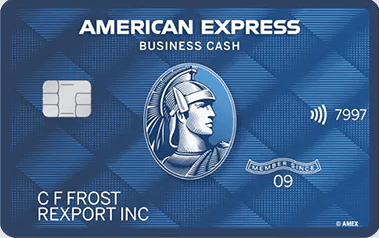
The American Express Blue Business Cash™ Card is a no-annual-fee business card with simple, automatic cash back:
- 2% cash back on eligible purchases on the first $50,000 per calendar year, then 1%. Cash back is credited to your statement automatically.
- $0 annual fee, and no annual fee for employee cards
- Expanded Buying Power: spend above your credit limit within a flexible amount set by Amex
- Purchase protection, extended warranty and secondary car rental coverage
- Connect to QuickBooks for employee card expenses
- Welcome offer, intro APR and regular APR: these vary by applicant; see the issuer’s site
Amex lets you see whether you’re approved without any impact to your credit scores. If you accept the card, your personal and business credit may be affected. Approval depends mainly on your personal credit, so it’s best for founders with good personal credit and no business credit history yet.
Pros
- 2% cash back on the first $50,000 of eligible purchases each year
- No annual fee
- Find out if you’re approved with no credit score impact
- Free employee cards
Cons
- Cash back drops to 1% after $50,000 a year
- Needs good personal credit
- Welcome offer and APR aren’t published up front (see issuer site)
2. Chase Ink Business Unlimited®
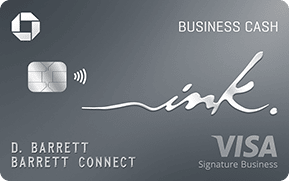
The Chase Ink Business Unlimited® Credit Card suits business owners with good personal credit but no business credit history. It offers:
- $750 cash back after you spend $6,000 on purchases in the first 3 months from account opening
- Unlimited 1.5% cash back on every purchase
- 0% intro APR for 12 months on purchases, then 16.99%–24.99% variable APR
- $0 annual fee
- Employee cards with individual spending limits
- Rewards redeemable for cash back, gift cards, travel and more through Chase Ultimate Rewards®
Chase notes the new cardmember bonus may not be available if you’ve had this card or another no-annual-fee Chase for Business card.
Pros
- $750 welcome bonus
- 0% intro APR on purchases for 12 months
- Flat 1.5% cash back with no category tracking
- No annual fee
Cons
- Requires $6,000 spend in 3 months for the bonus
- Approval relies on good personal credit
3. Capital One® Spark® Classic for Business
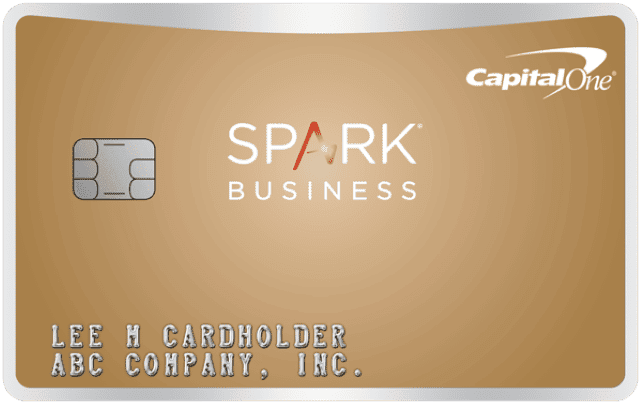
The Capital One Spark 1% Classic is designed for business owners with fair credit who want to build a strong credit foundation:
- Unlimited 1% cash back on every purchase, with no minimums or expiration
- $0 annual fee
- 29.24% variable APR on purchases
- Free employee cards with custom spend limits
- No foreign transaction fees
- AutoPay, virtual card numbers, year-end summaries and purchase downloads to QuickBooks, Quicken and Excel
You can check whether you’re pre-approved with no impact to your personal credit score. The application asks for your SSN, your business tax ID (or SSN for a sole proprietorship) and your annual revenue.
Pros
- Aimed at fair credit
- No annual fee
- Free employee cards
- No foreign transaction fees
Cons
- High 29.24% variable APR
- Only 1% cash back
4. Brex Credit Card
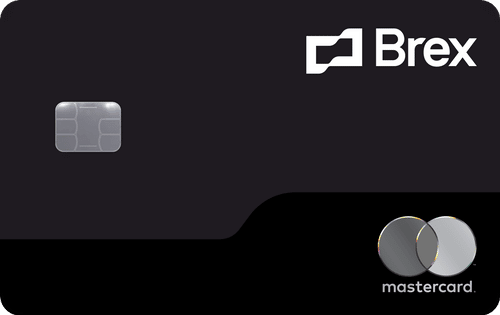
Brex is a corporate card for startups that underwrites based on your business, not your personal credit score:
- No personal guarantee required, and you apply with your EIN
- Credit limits based on your company’s cash balance, revenue or funding
- Unlimited virtual and physical cards, plus rewards
- Built-in expense management, bill pay and a business account
Who qualifies: only U.S.-incorporated companies (C-corps, S-corps, LLCs and LLPs). Sole proprietors and unincorporated partnerships can’t apply. Brex focuses on companies that have raised equity funding (or plan to), have more than $500,000 a year in revenue, or are referred tech startups. Funded startups need a $50,000 minimum cash balance for monthly payments. Without that, you may qualify for daily payments based on funds held in a Brex business account.
Pros
- No personal guarantee and no personal credit check
- EIN-only application
- Unlimited employee cards
- Limits that grow with your company
Cons
- Not available to sole proprietors
- $50,000 cash minimum for monthly payments (funded startups)
- Daily repayment if you don’t meet the monthly-payment requirements
5. U.S. Bank Business Triple Cash Rewards World Elite VISA®
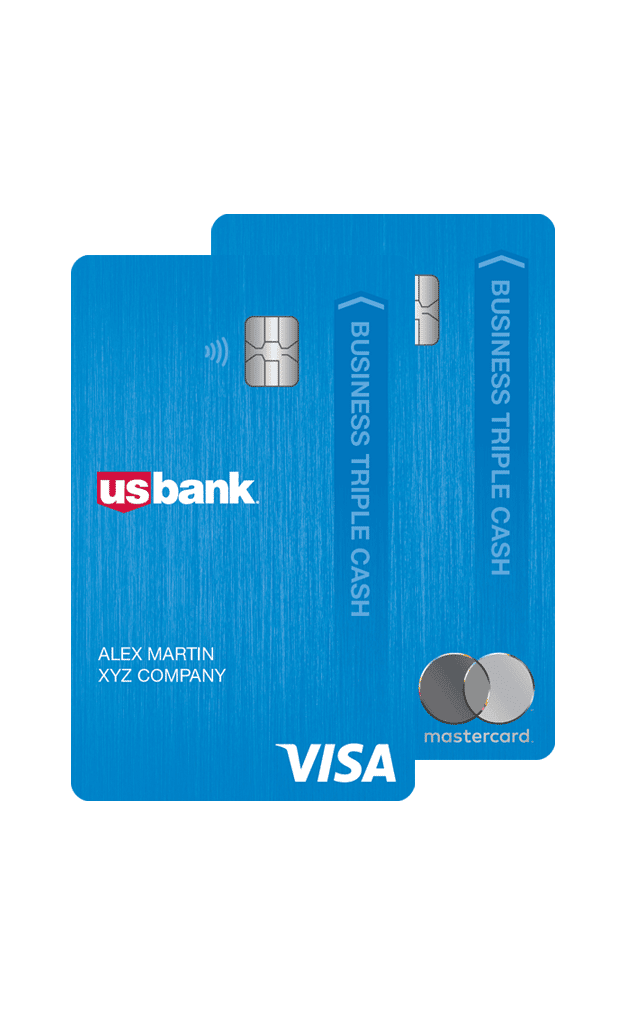
The U.S. Bank Triple Cash Rewards Visa® Business Card combines a strong welcome bonus with an intro APR:
- $750 cash back bonus after $6,000 in eligible net purchases within 180 days of account opening
- 3% cash back at gas and EV charging stations (transactions of $200 or less), office supply stores, cell phone service providers and restaurants; 1% on other eligible purchases
- 5% cash back on prepaid hotels and car rentals booked in the U.S. Bank Travel Center
- $100 annual credit for recurring software subscriptions (such as QuickBooks or FreshBooks)
- 0% intro APR on purchases and balance transfers for the first 12 billing cycles; regular variable APR: see the issuer’s site
- $0 annual fee, and free employee cards
The application asks for your EIN, year started and business gross annual revenue, plus your personal details.
Pros
- $750 welcome bonus
- 0% intro APR on purchases and balance transfers for 12 billing cycles
- Up to 3% cash back in common business categories
- No annual fee
Cons
- Balance transfer fee of 5% (minimum $5)
- No intro APR on cash advances
- Bonus requires $6,000 spend
6. Discover It® Secured Credit Card
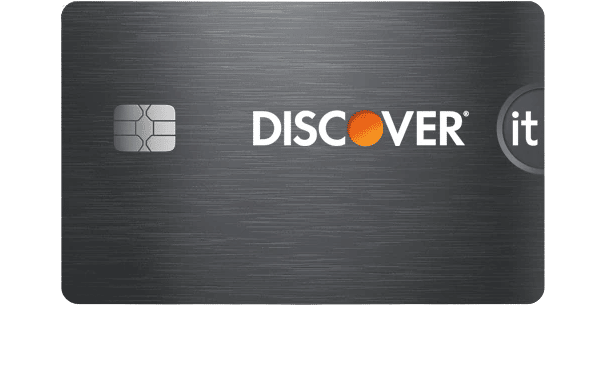
The Discover it® Secured Credit Card is a personal secured card for people with no credit or bad credit:
- No credit score required to apply (Discover may use credit scores if available)
- Refundable deposit of $49, $99 or $200, based on creditworthiness, for a credit line of at least $200; your maximum line is assigned at approval ($1,000 to $3,000)
- $0 annual fee
- Unlimited Cashback Match: Discover matches all the cash back you earn in your first year
- Reports to all three major credit bureaus; you can earn your deposit back with a positive track record
- APR: see the issuer’s site
Because it’s a personal card, it builds your personal credit, not business credit. Keep business and personal spending separate.
Pros
- No credit score required to apply
- Low deposit options
- No annual fee
- First-year Cashback Match
Cons
- Deposit required
- Personal card, not a business card
7. Chime Credit Builder VISA® Credit Card
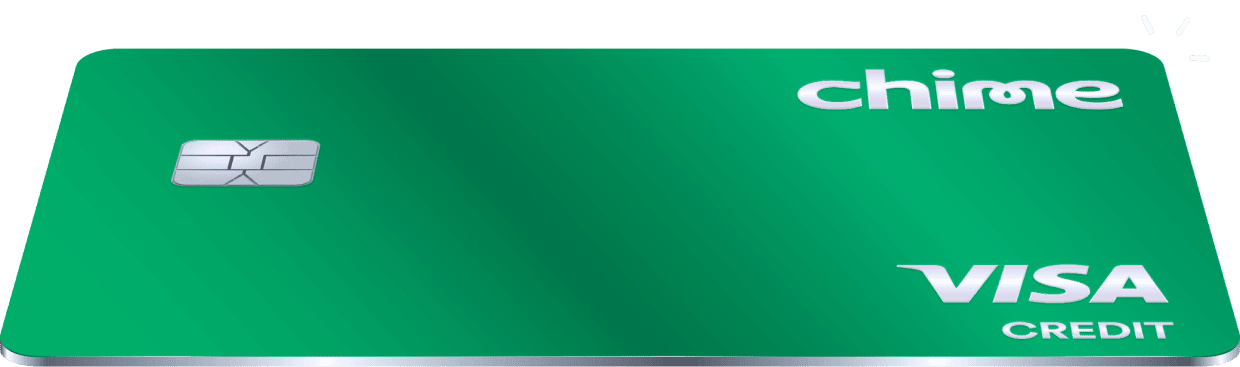
Chime Card™ (formerly the Chime Credit Builder Visa®) is a personal secured credit-builder card (see Chime):
- No credit check to apply, no annual fee, no interest and no minimum security deposit
- The money you move into its secured account sets how much you can spend, and it can pay your monthly balance automatically (“Safer Credit Building”)
- Reports payments to all three major credit bureaus; Chime doesn’t report utilization
- 5% cash back on a chosen category with qualifying direct deposits (Chime Prime; 2% for Chime Plus)
You need a Chime Checking Account to apply. It builds your personal credit, not business credit.
Pros
- No credit check
- No annual fee or interest
- No minimum deposit
Cons
- Requires a Chime Checking Account
- Personal card; doesn’t build business credit
- Spending limited to the money you move in
8. Bank of America® Business Advantage Unlimited Cash Rewards Secured Credit Card
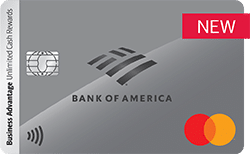
The Bank of America® Business Advantage Unlimited Cash Rewards Secured credit card is a secured business card for owners who can’t yet qualify for an unsecured card:
- 1.5% cash back on every purchase, with no annual cap
- $1,000 minimum security deposit; your credit line equals your deposit
- No annual fee
- No new-account bonus or intro APR; variable APR: see the issuer’s site
- Bank of America periodically reviews your account and you may transition to an unsecured card (not guaranteed)
- Free Dun & Bradstreet business credit scores in Business Advantage 360
Pros
- Builds business credit while earning 1.5% cash back
- No annual fee
- Path to an unsecured card
Cons
- $1,000 minimum deposit
- No welcome bonus or intro APR
9. First National Bank Business Edition® Secured MasterCard®
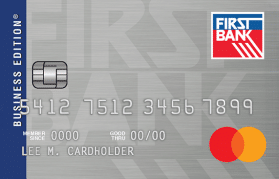
The FNBO Business Edition® Secured Mastercard® lets you set your own credit limit with a deposit:
- Security deposit of $2,000 to $10,000 (in multiples of $100) when you apply; this sets your credit limit
- $39 annual fee
- 24.24% variable APR on purchases and balance transfers
- Earn interest on your security deposit
- Zero Liability protection, auto rental coverage and 24/7 online access
Pros
- Credit limit up to $10,000, depending on your deposit
- Earns interest on your deposit
Cons
- $39 annual fee
- $2,000 minimum deposit
- No rewards or bonus
10. OpenSky® Secured VISA® Credit Card
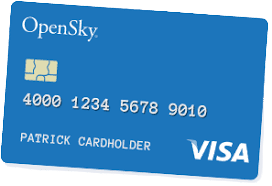
The OpenSky® Secured Visa® Credit Card is a personal secured card that doesn’t check credit:
- No credit check to apply
- $35 annual fee for the OpenSky Secured Visa; the OpenSky Plus version has no annual fee
- Refundable deposit sets your credit limit, from $150 up to $3,000 depending on the card
- Reports to all three major credit bureaus
- APRs: see the issuer’s site
It’s a personal card, so use it only as a stepping stone and keep business expenses separate.
Pros
- No credit check
- Reports to all three bureaus
- No-annual-fee version available (OpenSky Plus)
Cons
- $35 annual fee on the Secured Visa
- Security deposit required
- Personal card, not a business card
Business Credit Cards for New Businesses With No Credit or Revenue
If your business is brand new, with no business credit history and little or no revenue yet, most traditional business cards base approval on your personal credit. Many also ask for your business revenue on the application (Capital One and U.S. Bank both do). Report your actual revenue honestly, even if it’s low. Here are your realistic options as a new business with no credit:
- Good personal credit but no business history? Mainstream no-annual-fee cards like the Chase Ink Business Unlimited or Amex Blue Business Cash are the best place to start. Approval relies mainly on your personal credit.
- Fair credit? The Capital One Spark 1% Classic is aimed at fair credit.
- No or bad credit, but you can put down a deposit? A secured business credit card such as the Bank of America Business Advantage Unlimited Cash Rewards Secured ($1,000 minimum deposit, credit line equals your deposit, no annual fee) or the FNBO Business Edition Secured Mastercard ($2,000–$10,000 deposit, $39 annual fee).
- An incorporated, funded startup that wants an EIN-only card with no personal guarantee? Brex underwrites on your company’s cash and revenue instead of your credit score. It’s only for U.S.-incorporated companies (not sole proprietors), and monthly payments require at least $50,000 in cash if you’ve raised funding.
- Need to build credit with no credit check? Personal credit-builder cards like Chime Card and OpenSky don’t check credit to apply, and Discover it Secured doesn’t require a credit score. They build personal credit, not business credit, so keep your business spending separate.
Be wary of “guaranteed approval” business credit cards. No legitimate card issuer guarantees approval; every card on this list is subject to the issuer’s approval.
Startup Business Credit Cards for New Businesses with No Credit – What Are They Exactly?
Not every aspiring business owner or entrepreneur can boast a substantial credit score. Still, they almost always need capital to launch their project, meaning that they must have access to a funding solution that’s not related to credit checks. Thus, business credit cards with no credit exist.
This type of startup business credit card is a good alternative funding source if you have no impressive proof of business credit. Since a borrower’s lack of credit puts off most lenders, such a financing option has a higher-than-average risk calculated:
- Some would review your personal credit.
- Others would ask for a guarantee, such as a deposit.
This is how individuals and business owners who need funds for their startups but have no way to back up a loan with no credit can still get the resources they need for their big launch. These cards also often come with different perks. Some offer cashback options, additional insurance, no annual fees, and other goodies.
Is Having a Bad Credit Record Worse Than Having No Credit History?
The short answer to this question is “yes”, but even if you have bad credit, you could still be eligible for some startup business credit cards with no credit. Your emerging online business would require some funds to get rolling, but there’s a good chance that the capital needed would be much less than compared to a land-based operation. This means that a credit card limit could be sufficient.
What I should mention is that not every new business owner will be able to get such a credit card. Sometimes, the lack of credit would be too big of an obstacle, and the lack of credit history would make it impossible for business credit card approval.
What’s the Difference Between Personal Credit Cards and Business Credit Cards?
The two types of credit cards are very different. Business credit cards are designed to serve small business owners, therefore, they boast specific perks and protections. Personal credit cards could also be used to fund a startup, but it’s pointless to do it. Plus, mixing personal and business finances may cause issues at one point. It’s best to separate the two and fund your startup the right way.
What both types of credit cards have in common are the approval mechanisms and the risk calculation methods. Lenders will try to evaluate if you, the borrower, are trustworthy and reliable enough to receive funds.
Overall, business credit cards with no credit history are the ideal solution for new business owners, especially if they need resources fast. Most lenders offer steep interest rates, but this is part of their strategy to mitigate the risks they take.
8 Important Factors in Choosing a Startup Business Credit Card with No Credit
Chances are, you might be eligible for this type of funding and approved by several lenders. This would be the time to compare their offers and pick the best of them all. To do this, you need to know the important aspects you should consider, which I’ve listed below.
The first consideration to make is to recognize your needs: the amount of funds you need, the type of payment plan and terms you’d be comfortable with, and the interest you’re willing to pay. Once you assess it all, it’s time to pay attention to other factors.
1. Check the APR Period
If you find a deal with a 0% intro APR period, then you’re good. APR stands for the interest rate you will pay. Since you’d be dealing with a credit card, you might as well take advantage of the best terms possible. If there is a 0% APR period, you’ll be able to repay the amount of funds you initially took without paying interest, as long as you do it on time. Here’s a side note: when calculating APR, remember that lenders most often highlight its yearly value, so you need to recalculate it by dividing it into 12 portions, one for every month. This is how you get the exact amount of monthly interest you will be forced to pay.
Even if you find such an offer, keep in mind that once the 0% APR monthly period passes, you’ll be billed with a variably rising interest rate based on the specific terms and conditions of your deal, and it will be taken from the balance in your credit card. Business credit cards with no credit usually have high APR, which is understandable.
2. See if the Business Credit Card You Choose Comes with Rewards and Welcome Bonuses
Using a startup business credit card with no credit not only brings you the funds you need but also helps you build credit. Still, there are other positive aspects to look for, such as rewards. Some credit card issuers offer reward programs you can enjoy. Whether it’s cashback or travel bonuses, it all comes down to your personal preferences.
As for the welcome bonuses you could also enjoy, there are plenty of options to choose from as well. Most often, you’ll get cashback as a welcome bonus, but there are reward point programs to consider as well. These bonuses will be accessible after you cover specific requirements related to spending a certain amount for a predetermined period.
3. Find the Least Business Credit Card Application Requirements
There are differences in the thresholds lenders determine when they issue business credit cards. Since it always plays a role (even if you don’t have proof of credit), the lower it is, the more likely you are to be approved.
In some cases, your personal credit score could become part of the equation, although not all business credit card issuers demand this or offer it as an alternative. Being able to guarantee the business credit card with your personal credit history would affect the latter. This is something to consider carefully, and it’s also one reason to read all the terms and conditions before applying for a credit card.
4. Compare Annual Fees
Business credit cards with no credit usually come with annual fees, while others don’t. While these fees are most often affordable, you might get an unpleasant surprise if you don’t look through the terms and conditions in advance. I already mentioned the importance of reading the fine print before applying, and this is just another reason to do it.
Some business credit card issuers decide to allow for no annual fee for the first years, creating attractive offers for borrowers. This is one of the best options to pick, because it will give you enough time to decide if you’re comfortable with the terms and conditions you agreed on, and it will not cost you extra if you want to switch to another provider.
5. Check the Interest Rates
Startup business credit cards with no credit offer different interest rates, which is why you need to gather all the offers you are eligible for and compare the interest rates. In some cases, you may be quoted a custom offer, depending on your credit record and the terms and conditions.
Sometimes, business owners choose credit cards with higher limits than they need because they are tempted by the lower interest rates. But the more they spend, the more interest they pay. This presents a trap that you want to stay away from. You need to find the right combination of low annual fees, low interest rates, and enough credit limits.
6. Don’t Forget to Check the Spending Limits
This is one important aspect of getting a credit card that often gets neglected by users. Having a low spending limit can be a problem when it comes to business credit cards.
On the other hand, if you need funds for small, repetitive purchases rather than covering a lot of expenses at once, then a preset spending limit can help you control the process and make sure you don’t overspend.
In most cases, avoiding business credit cards with spending limits would be the right choice, but it still depends on your particular preferences.
7. See if You Can Get the Additional Cards You Need
Not all businesses would need this, but it’s an important option to check if several of your employees would need to use the card. As you can imagine, this option often comes to mind when it’s too late, and business owners regret not confirming that getting additional cards would be an option. Therefore, checking that the number of additional cards you would need would not be a problem for the issuer and it would not cost you extra. Most banking institutions you would consider will impose limitations on the number of possible credit cards. Make sure that such limitations will not get in your way.
8. Additional Features and Benefits to Consider
There are several extra perks to look for when researching startup business credit cards with no credit. Most of them, however, seem to be designed to fit solopreneurs or individuals who need to travel frequently to run their startups. These perks can come down to discounts at various locations or lack of extra fees when you are abroad and need to pay for something using your business credit card.
To make the most of these advantages, make sure the credit card issuer offers the type of benefits that you could use day-to-day. The more perks a credit card offer to you as an online small business owner, the better for you. Still, these extra benefits are not the most important aspect of choosing a business credit card.
4 Ways to Get a Business Credit Card Without Credit
Since it’s already become apparent that you have a chance to get a business credit card with no credit, I might as well give you a few suggestions on how to do it. The right approach is equally important as knowing what you’re looking for.
1. Consider Prepaid Business Credit Cards
If you have no budget at all, you can still opt for a prepaid business credit card by using your savings. Yes, it’s still your money and you won’t use an actual credit line from the issuer, but it still makes sense to use such a service. First of all, you’ll be able to provide your business with a means of payment that an employee can later use. Second, you get to control the expenses better, since it’s a prepaid card and you can’t go over the set limit. Last, but not least: this is a way to separate your finances and not confuse your personal spending with your business expenses, despite that the financial boost comes out of your own pocket.There are plenty of options available: many banks and fintech companies offer prepaid business cards. However, you need to find an offer that you can grab that suits your needs the best.
2. Credit Cards with Personal Guarantee Are a Possible Option as Well
You can opt for such a credit card as your last resort. It might come as a surprise, but some offers in this field are appropriate for startups, even when they have no proof of credit. It all comes down to individual assessment and applying for the right offer. The difference comes from the fact that a personal guarantee is nowhere near the same as personal credit. Instead of checking and approving your credit score, the lender requests a signed personal guarantee.
3. Apply for a Secured Business Credit Card
Secured business credit cards are a possible option for entrepreneurs with no credit. They work in a simple way: there’s no credit history requirement, but there’s a deposit you need to make instead. This would also serve as collateral, which is how the business credit card issuer would reduce their risk.
Given the deposit requirements, it’s easy to guess that secured business credit cards are much easier to get, but aspiring business owners don’t always have funds to cover such terms. Some secured business cards still earn rewards; for example, the Bank of America secured business card earns 1.5% cash back.
4. Consider Applying for a Business Credit Card with a Cosigner
In some particular cases, you may find it impossible to be approved for a business credit card with no or bad credit. This would leave you with choices to make, and one of the most obvious ones is to find someone willing to become a cosigner. This is a person whose good credit record would serve as a guarantee for the business credit card you need.
The trouble is, the cosigner needs to be someone you know well because they need to trust you. Since they would guarantee that you would not default on your credit card, they would need to be sure you won’t fall short of your obligations; otherwise, their credit score would also suffer.
4 Ways to Build Business Credit When You Have None
Sometimes, building business credit is the only way to secure a business credit card. Having this in mind, you should focus on this task if you want to properly manage the financial side of your endeavors. The majority of lenders will continue to see this as a primary guarantee when they assess the risks they’d take. Having good enough business credit will allow you to apply for loans and business credit cards without having to narrow down your options.
Let’s look at some of the ways to improve your credit. They may take time to do it, so either of them is not always going to be a working solution for you, meaning that you’d still need to find a startup business credit card with no credit.
1. Use Your Business Identification Number (EIN) To Open Accounts
Here’s the most obvious thing you could do to boost your business credit. When you register a company and apply for an EIN, you can use the latter everywhere you would use your SSN instead. This will help you build business credit.
2. Get Store Credit
Several of the biggest store chains you can think of allow credit to businesses. It may be a small start, but it counts. As long as you take advantage of these supply credits and repay them when you should, this would greatly benefit your business credit record.
3. Apply for Business Loans
If the steps above get you where you want to be and your business becomes eligible for small loans, then choose them first. Business loans will improve your credit history more than any credit card will. You can still take advantage of the latter once you’ve secured the former. Having a business credit card is a solution to your funding needs, as long as you can repay it on time and avoid owing a hefty interest.
4. Get All Your Business Payments Noted by Credit Record Bureaus
Another way to become eligible for a startup business credit card, you can make arrangements for all your business expenses (such as rent, utilities, and so forth) to be recorded and later included in special on-demand reports by independent credit bureaus such as Experian. Every little expense counts, and the more payments are included in these reports, the higher your chances of being eligible for a business credit card with no credit would be.
Additional Considerations to Make Before Applying for a Business Credit Card
- Even if you manage to get a business credit card with no credit, you’d still need to improve your business credit. This means that all the above advice would be valid after you get such a card and start using it.
- The APR you’d owe can either be fixed or variable, which is another aspect to be aware of. Knowing what you sign up for is important, because you can get a bad deal without even knowing it.
- Also, the usually high APR might put you off at first, but it could be the only way for you to secure funds for your startup business, so it might be a reasonable price to pay when compared to the alternative of shutting down before you even launched your operation properly.
Startup Business Credit Card with No Credit: FAQs
Is getting a business credit card possible without a personal credit inquiry?
Doing this may be possible, but almost every banking institution or credit card issuer will perform a personal credit check in case you don’t have business credit.
Is getting a credit card for a new business possible?
You can apply for a new business credit card even if you’re just starting out. If you have a good personal record, you have every chance of getting a business credit card with no credit.
Are business credit cards related to your personal credit?
Often, yes. Most issuers check your personal credit when you apply for a business card, and many require a personal guarantee. Brex is an exception: it doesn’t require a personal guarantee or use your personal credit.
How can you build credit for the first time?
You can build credit by paying your business-related bills on time and making sure that an independent business credit bureau keeps a record for them. Checking your credit frequently will reveal your progress.
Can I see if I’m approved without hurting my credit?
Some issuers let you check first. American Express shows whether you’re approved with no impact to your credit scores, and Capital One offers pre-approval checks with no impact to your personal credit score. A full application usually involves a credit check.
Business Credit Cards for New Businesses: Final Thoughts
When starting a new business, you will probably encounter a lot of challenges, one of which would be securing the funds you need to launch it. This struggle has a few possible solutions, one of which is finding a startup business credit card with no credit. As I mentioned in this article, you have a good chance of getting such a deal, despite your financial situation. The key is understanding what you’re getting yourself into and being able to use it to your advantage.
While credit card issuers and lenders will continue to assess your credit record and accept is as the main factor for your credibility, it’s not always an obstacle. With some research and planning, you will be able to get a business credit card with no credit and make the most of it until you’re ready to take the next step and further develop your online small business.